Product Description
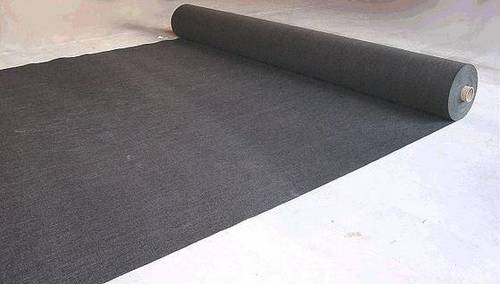
Non Woven Geotextiles are made up of polypropene fibers that are tangled along by a needle-punching method. The fibers could also be created in continuous or short lengths and reach their strength by interlocking. Non Woven Geotextiles are used for filtration of soil fines for drain applications as well as trench drain. Non Woven Geotextiles to limit soil particles however enable water to simply submit to makes them excellent for filtration and separation applications.
Versatile Geotextile for Various ApplicationsOur nonwoven geotextile fabric is designed to suit a wide spectrum of civil engineering and industrial projects. Used in road construction, railways, drainage systems, landscaping, and erosion control, it functions as an efficient filter, separator, and stabilizer. Its robust design and adaptability make it ideal for both temporary and permanent installations in different environments.
Reliable Performance in Challenging ConditionsEngineered to excel in extreme temperatures and harsh conditions, this geotextile maintains performance from -40C up to 80C. Its resistant to acids, alkalis, UV exposure, bacteria, and fungi, ensuring long-term reliability and minimal maintenance. Custom sizing and easy installation options meet diverse project requirements, providing a tailor-made solution for every challenge.
FAQs of Nonwoven Geotextile:
Q: How is nonwoven geotextile installed for construction and drainage applications?
A: Nonwoven geotextile is typically laid directly on the prepared surface as per design requirements. Overlapping or stitched seams are used to ensure complete coverage and structural integrity. Installation may involve anchoring or pinning to keep the fabric in place, followed by placement of aggregates or backfill materials.
Q: What are the primary benefits of using nonwoven geotextile in road and railway construction?
A: Nonwoven geotextile offers superior filtration, separation, and stabilization, preventing soil migration and improving load distribution. Its durability and high tensile strength extend the life of infrastructure while enhancing resistance to puncture, UV radiation, and chemical exposure, ensuring dependable long-term performance.
Q: When should I choose needle-punched nonwoven geotextile over woven varieties?
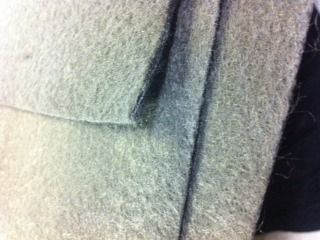
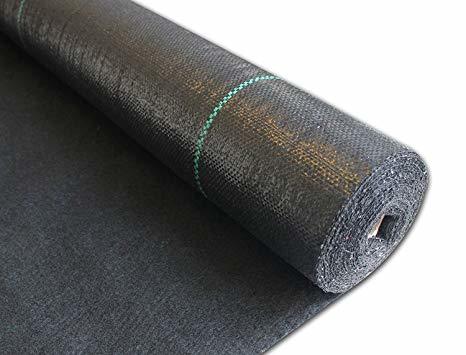
A: Needle-punched nonwoven geotextile is preferred when high permeability, flexibility, and puncture resistance are essential, such as in drainage, erosion control, and filtration projects. Its soft, fibrous texture allows water to pass through efficiently while retaining soil or aggregate, unlike woven types which may offer lower permeability.
Q: Where can nonwoven geotextile be effectively applied?
A: This geotextile is widely used in construction, landscaping, erosion control, roadways, drainage systems, and railway projects. It is suitable for both urban and remote locations, effectively handling separation, filtration, protection, and reinforcement functions in various soil and climatic conditions.
Q: What is the manufacturing process of this geotextile fabric?
A: The geotextile is produced using a needle-punching technique on high-quality Polypropylene (PP) or Polyester (PET) fibers. This process interlocks the fibers to form a soft, durable, and high-strength fabric that is then UV stabilized and cut to custom sizes as required for different projects.
Q: How does the geotextile ensure resistance to chemicals, UV, and biological factors?
A: Constructed from PP or PET fibers with inherent chemical and biological resistance, the fabric resists degradation from acids, alkalis, bacteria, and fungi. UV stabilization additives protect the fabric from sunlight, making it suitable for long-term outdoor use.









 Send Inquiry
 Send Inquiry
 Send SMS
 Call Me Free


