Product Description
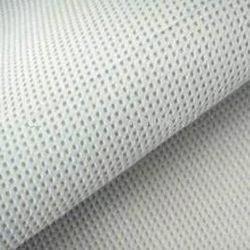
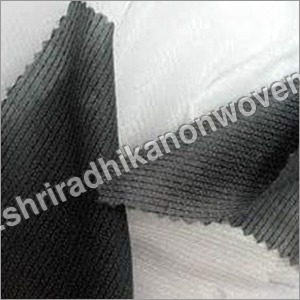
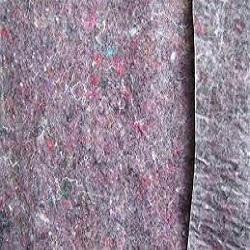
Needle-punched Geotextiles are made up of polypropene fibers that are tangled along by a needle-punching method. The fibers could also be created in continuous or short lengths and reach their strength by interlocking. Needle-punched Geotextiles are used for filtration of soil fines for drain applications as well as trench drain. Needle Punched Geotextiles to limit soil particles however enable water to simply submit to makes them excellent for filtration and separation applications.
Engineered for Versatility and DurabilityOur needle punch geotextile is carefully crafted using nonwoven polyester or polypropylene, ensuring optimal performance in harsh environments. With high tensile strength, minimal shrinkage, and exceptional UV resistance, this fabric stands out in demanding infrastructure and environmental protection projects, offering long-term reliability and durability.
Efficient Filtration and Drainage SolutionsDesigned with controlled water permeability (100-300 L/m.s) and precise needle punch density, this geotextile fabric enables effective filtration and separation in road construction, drainage systems, and erosion control. The materials structure allows water to pass while blocking soil and debris, supporting stable and efficient site management.
FAQs of Needle Punch Geotextile:
Q: How is needle punch geotextile typically used in infrastructure projects?
A: Needle punch geotextile is used in applications such as road construction, drainage, filtration, separation, and erosion control. Its high durability and strength make it suitable for railways, highways, landfill liners, and coastal protection to extend structure longevity and stability.
Q: What are the benefits of choosing this geotextile for my project?
A: This fabric offers UV resistance, high tensile strength, and superior durability. Its temperature and pH tolerance make it versatile across a range of conditions, and its nonwoven texture ensures robust filtration and drainage, reducing soil erosion and maintaining structural integrity.
Q: When should I select polyester versus polypropylene geotextile?
A: Polyester is ideal where chemical resistance or greater elongation is necessary, while polypropylene is suitable for applications demanding low water absorption and high resistance to acidic or alkaline environments. Choose based on your specific site requirements and chemical exposure.
Q: Where can this geotextile fabric be installed?
A: It can be installed in locations exposed to challenging environmental or load conditions, such as roadbeds, railway tracks, landfill sites, coastline defenses, and industrial drainage systems within the pH range of 2 to 13 and temperatures from -40C to +80C.
Q: What is the process for installing this geotextile fabric?
A: The fabric is rolled out smoothly over prepared ground or structure, ensuring overlaps where required. It is cut to size onsite and can be anchored or covered as per design specifications, providing a continuous protective or separating layer.
Q: How does the water permeability of the geotextile benefit drainage applications?
A: With a water permeability of 100-300 L/m.s, this fabric allows water to pass freely while retaining soil particles. This capability enhances drainage efficiency and prevents soil migration in filtration systems, keeping drainage channels clear and operational.









 Send Inquiry
 Send Inquiry
 Send SMS


