Product Description
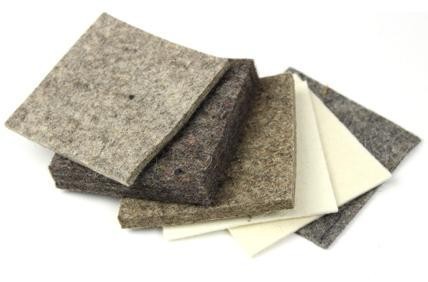
Industrial Felt may be a textile material thats created by matting, condensation and pressing fibers along. Industrial Felt is manufactured from natural fibers like wool or animal fur, or from artificial fibers like petroleum-based acrylic or cyanide or wood pulp-based textile. merging fibers are common.
Versatile Industrial ApplicationsIndustrial felts are widely utilized in sectors ranging from automotive and construction to steel, textiles, and chemicals. Their robust structure, customizable thickness, and density make them ideal for insulation, polishing, gasketing, filtration, sealing, and packaging. These materials are tailored to precise specifications, ensuring compatibility with diverse machinery and operational needs.
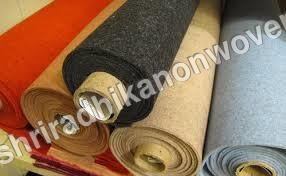
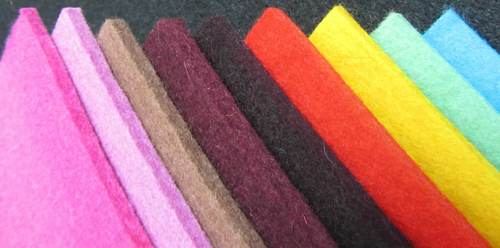
Customizable for Your RequirementsWith flexibility in length, width, hardness, and thickness, these felts can be manufactured exactly as needed, whether for sheets or rolls. Edge treatments, surface coatings, and color choices are available to suit specific project requirements. This adaptability makes industrial felt a preferred solution for manufacturers, exporters, and distributors responding to varied client standards.
FAQs of Industrial Felts:
Q: How are industrial felts customized for different applications?
A: Industrial felts can be tailored in length, thickness, hardness, and width. Clients can specify options like edge finishes (trimmed or untrimmed), coatings (oil, wax, or resin), and material blends (wool/synthetic). This flexibility allows the felts to meet unique requirements for industries such as automotive, steel, or construction.
Q: What is the production process for industrial felt sheets?
A: The production involves needle punching or pressing techniques, using wool and/or synthetic fibre blends. The raw material is processed to achieve desired thickness, density, and texture, followed by optional treatments (oil, wax, resin), and precise cutting or trimming based on customer orders.
Q: When should you opt for coated versus uncoated industrial felts?
A: Coated felts (with oil, wax, or resin) are favored when enhanced water resistance or surface wear is required, such as in high-friction or moisture-prone environments. Uncoated felts are suitable for general applications like insulation or gasketing, where surface treatment is less critical.
Q: Where can industrial felts be used effectively?
A: These felts are highly effective in automotive components, textile machinery, chemical processing units, construction insulation, steel manufacturing, footwear production, and filtration systems. Their resilience and tailored properties allow for versatility across multiple sectors.
Q: What benefits do industrial felts provide over traditional sealing or insulation materials?
A: Industrial felts offer superior compressive strength, high temperature resistance (up to 180C), and wear and tear resilience. Their adaptability in hardness, thickness, and shape ensures optimal performance and a longer lifespan compared to common alternatives.
Q: Are industrial felts environmentally friendly or recyclable?
A: Many felts are made from partially or fully recyclable blends, based on the materials used. This attribute supports sustainable practices in manufacturing and product lifecycle management.









 Send Inquiry
 Send Inquiry
 Send SMS
 Call Me Free


