Product Description
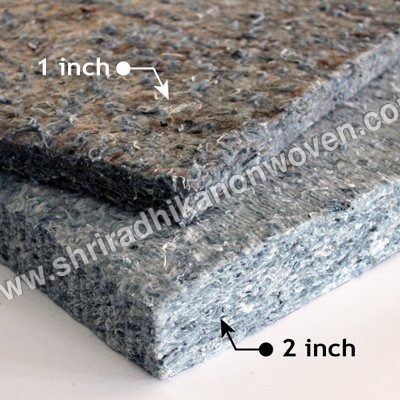
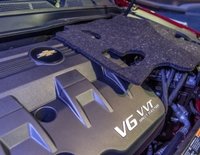
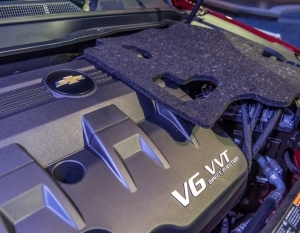
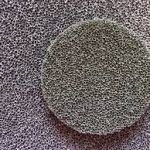
Insulation Felt is applied to car trunk ceiling for sound and hot insulation, which is made of polyester & polypropylene needle punched nonwoven fabric .Features:1.Great water-resistant capacity and air permeability.2. Easily modeled into different designs for different cars.3. Anti-dust and anti-static feature.4. Environmental friendly, certified with ROHS.Superior Thermal Resistance for Automotive ApplicationsOptimized for demanding environments, these automotive insulation fabrics provide high thermal resistance, safeguarding vehicle components from extreme heat. The blend of fiberglass and ceramic fibers, coupled with an optional aluminum foil coating, ensures reliability for engines, exhaust systems, and heat-sensitive areas, maintaining vehicle safety and performance.
Exceptional Acoustic Control and ComfortExperience notable reductions in cabin noise thanks to a sound absorption coefficient between 0.80 and 0.90. This fabric absorbs unwanted vibrations and sounds, creating a quiet interior atmosphere when used in car hoods, floor mats, and door panels. Its lightweight, engineered structure aids both comfort and vehicle efficiency.
FAQs of Automotive Insulation Fabrics:
Q: How is this automotive insulation fabric typically installed and where can it be applied in a vehicle?
A: These insulation fabrics are delivered in 30-50 meter rolls and can be cut to size for placement. They are commonly installed in engine compartments, car hoods, door panels, floor mats, and around exhaust systems due to their flexible, non-woven texture, making application straightforward during vehicle assembly or refurbishment.
Q: What benefits does the fiberglass and ceramic fiber blend provide over conventional insulation materials?
A: The unique blend of fiberglass and ceramic fiber ensures high tensile strength, superior heat resistance up to 1100C, and outstanding acoustic absorption, while remaining lightweight and flexible. This combination offers better performance compared to traditional foam or felt insulation.
Q: When should automotive manufacturers or repair shops use this fabric for vehicle insulation?
A: This insulation fabric is ideal for use during initial vehicle manufacturing or during retrofitting and repairs, especially when upgrading heat and sound insulation in critical areas such as engine bays and interior panels that require durable, flame-retardant, and high-performance materials.
Q: What process is involved in producing this automotive insulation fabric?
A: The fabric is produced using a needle-punched technique, incorporating a plain, non-woven style. This process binds fiberglass and ceramic fibers to achieve an optimal balance of softness, density (up to 1200 gsm), and durability. Optional aluminum foil coatings are applied to improve thermal reflection capabilities.
Q: How does this fabric contribute to environmental compliance and vehicle safety?
A: Completely asbestos-free and eco-friendly, this fabric adheres to strict environmental standards. Its neutral pH and minimal moisture absorption (<0.1%) prevent corrosion and material degradation, while flame retardancy and odorlessness ensure occupant safety and comfort.
Q: What sound insulation properties does this fabric offer?
A: With a sound absorption coefficient ranging from 0.80 to 0.90, this fabric significantly reduces interior vehicle noise, making it highly effective for those seeking improved acoustic comfort within their automobile.










 Send Inquiry
 Send Inquiry
 Send SMS
 Call Me Free


